Scissor versus boom: the first fork
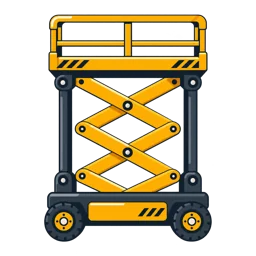
- Scissor lifts: Best when the machine can sit directly below the target. Ideal for ceiling work, racking, and straight-up façade access. See /electric-scissor-lift-rental/ for indoor slab units and /rough-terrain-scissor-lift-rental/ for exterior platforms.
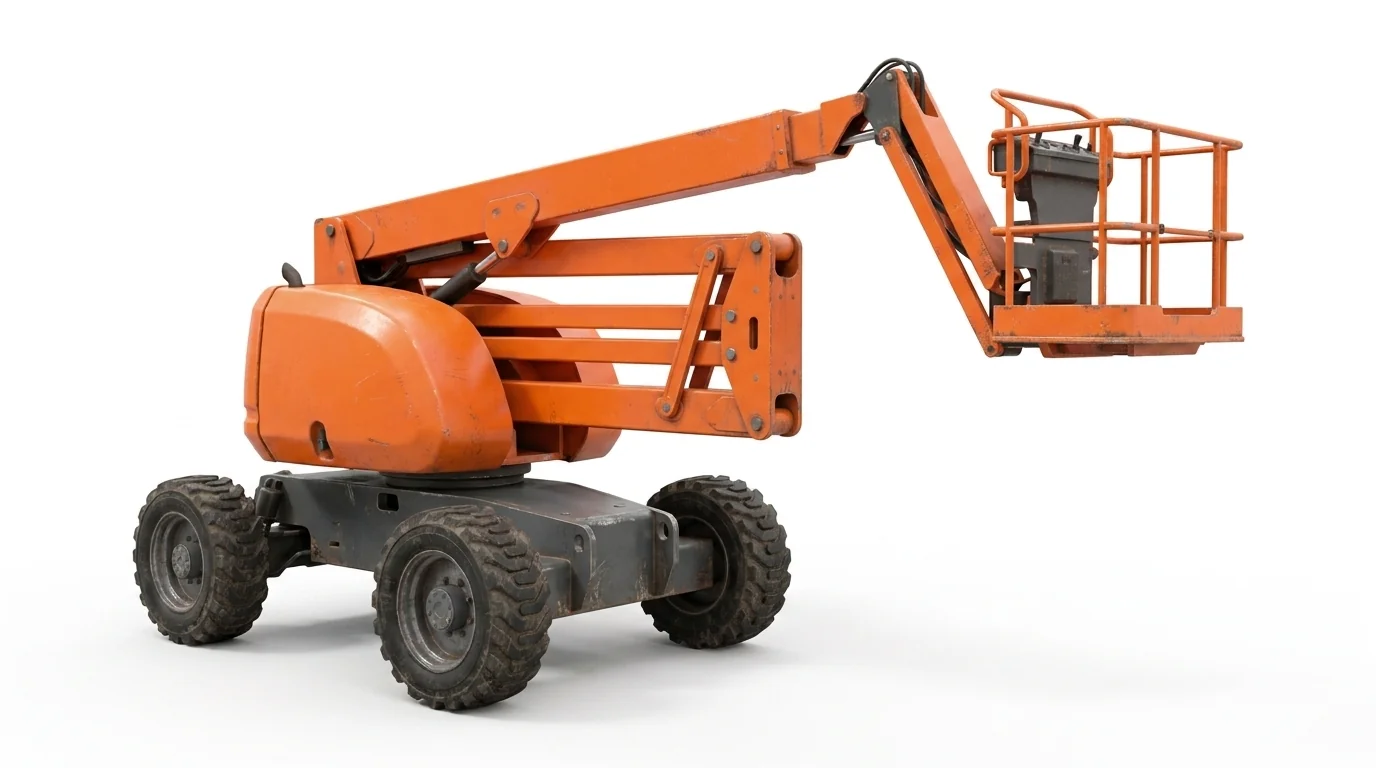
- Articulating and telescopic booms: Needed when obstacles or setbacks require up‑and‑over reach—over landscaping, conveyors, canopies, or rooflines. Compare options starting at /boom-lift-rental/.
Local conditions that change the spec
Outdoor approaches around Tallahassee can include soft shoulders and uneven grades. After seasonal rain, clay holds moisture and reduces traction. On these sites, four‑wheel‑drive rough‑terrain platforms or booms with all‑terrain capability often make the difference between reaching the work and getting stuck in the approach.
Interior access patterns
Many buildings mix secure corridors, narrow doorways, and polished floors. Electric slab scissors fit most straight-up interior tasks. Where the machine must clear over machinery or mezzanines, indoor‑friendly articulating booms with compact tails are commonly considered.
Capacity, height, and reach
- Platform capacity: Match to personnel and materials typical for MEP, signage, or façade repairs.
- Working height: Confirm ceiling or eave heights and any overhead obstructions like piping or trusses.
- Horizontal reach: For setbacks or obstacles outdoors, articulating booms offer flexible positioning; telescopic booms provide longer straight reach when staging space allows.
Example decision paths
- Renovating a high-bay in an industrial site with clear slab floors: electric scissors for straight-up tasks; booms if the lift must clear over conveyors.
- Exterior signage on a sloped lawn after rain: rough‑terrain scissor if the platform can sit beneath; articulating boom if trees or setbacks block a straight approach.
Actual conditions, the selected unit’s instructions, and site procedures govern exterior and elevated work.