Start with geometry: can the machine sit below or beside the task?
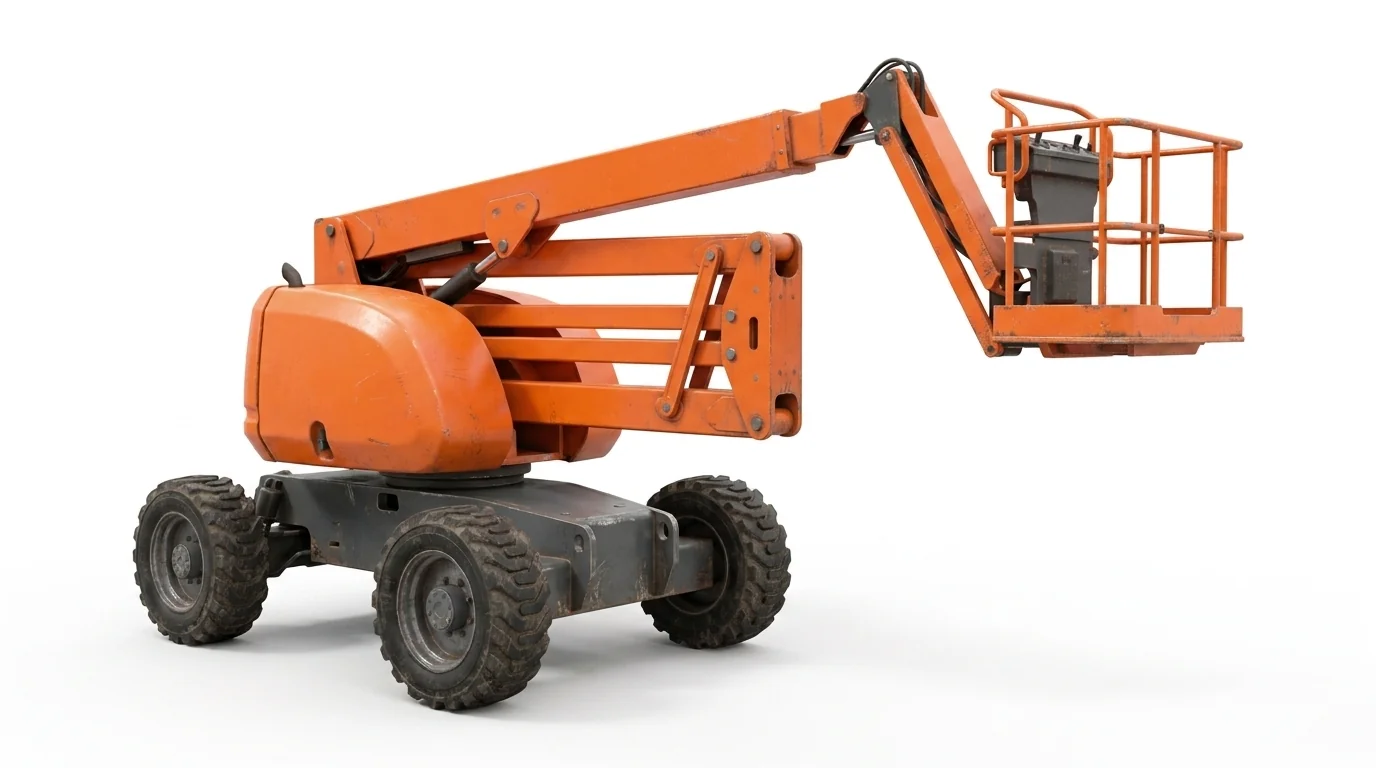
Articulating booms hinge multiple times to reach up-and-over. If the machine can sit directly below the work, a straight boom might reach farther. If the work is tucked behind fascia, trees, or roof equipment, an articulating platform provides the lateral step-back you need without moving the chassis repeatedly.
Key geometry checkpoints: - Vertical height to the work point and the horizontal setback behind the obstacle - Clearance to rotate the turntable without striking walls or light poles - Width and slope of the path into position
How Tallahassee terrain affects the choice
Clay-heavy Red Hills soils often hold water after storms, softening surface crusts on lawns and unpaved lots. On these sites, four-wheel-drive units with rough-terrain tires and higher ground clearance track better than slab-style lifts. In neighborhoods and campus-style areas with mature trees, the articulating jib helps thread under branches and then rise above the obstruction.
Consider: - Ground firmness near landscaped medians and drainage swales - Approach angles at driveway aprons where rolling grades change quickly - Preferred staging spots that avoid rutting and still preserve swing radius
Measurements that narrow the model
- Platform height and outreach: confirm the setback behind parapets or signage
- Machine width and stowed length: fit through gates and between bollards
- Weight and tire type: match surface sensitivity on pavers or turf
- Gradeability: check approach slopes from parking to work zone
Typical Tallahassee applications
- Exterior maintenance on civic corridors where canopies block straight access
- MEP work on institutional buildings with rooftop equipment behind parapets
- Tree-adjacent lighting and signage where branches limit direct lift paths
Related lift paths
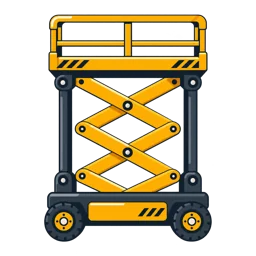
If the work is open and far away in a straight line, compare a straight boom at /telescopic-boom-lift-rental/. For compact indoor or slab work with vertical travel only, see /electric-scissor-lift-rental/ or /aerial-lift-rental/ for broader categories.
Site conditions govern
Weather, ground conditions, and the selected unit’s instructions determine what’s possible on the day. Plan for changing traction in rainy stretches and confirm clearances again after staging.