Begin with the placement point
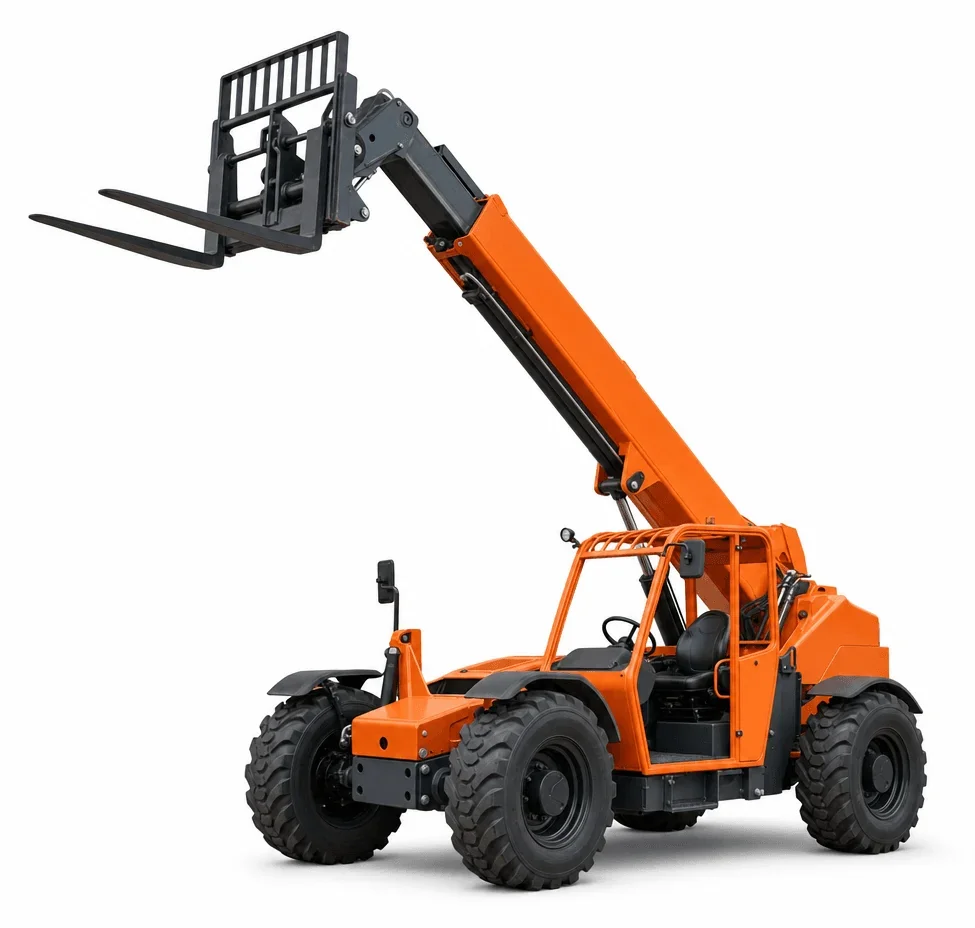
Identify the exact height and horizontal setback for the heaviest load. Capacity drops as the boom extends, so the rating at maximum reach matters more than base capacity. Confirm whether the machine can nose in close or must stand off due to landscaping, curbs, or soft shoulder soils.
Key planning inputs: - Heaviest load weight and dimensions - Height and outreach to the final placement point - Fork spacing and carriage style that fits pallets or bundles - Turning room between gate posts, materials, and parked equipment
Terrain and weather in Tallahassee
Red Hills clay changes character with moisture. On wet weeks, a job that looked firm can slick over and reduce traction near building pads or laydown yards. Rough-terrain telehandlers with wider tires and four-wheel-drive handle ruts and rolling grades better than warehouse forklifts on these surfaces.
Watch for: - Cross-slope at the drop zone near drainage lines - Soft medians that prevent close approach to façades - Long runs from staging to set points across mixed surfaces
Measurements that narrow the model
- Maximum lift height and forward reach from the load chart at your load weight
- Overall width and turning radius for site corridors
- Axle type and steering modes for tight compounds vs. open yards
- Attachment interfaces if job specs call for specific carriage styles
Typical Tallahassee applications
- Rooftop unit placement where hardstand is limited
- Pallet handling across mixed pavement and clay pads on industrial sites
- Material shuttling to elevated decks during structural work
Related equipment
For purely vertical interior lifts or dock work, see /forklift-rental/. For personnel access to elevated installs after set-down, compare /articulating-boom-lift-rental/ or /telescopic-boom-lift-rental/.
Conditions and instructions govern
Site procedures, ground conditions, and the selected unit’s instructions determine feasible lifts. Recheck load charts against the exact outreach at the set point.